
Oily Skin Care Routine in Pakistan: Simple Morning and Night Steps
An oily-skin routine does not need ten products. Start with the basics, choose comfortable textures and introduce extra treatments carefully.
By Apotex Healthcare team Updated 3 min read
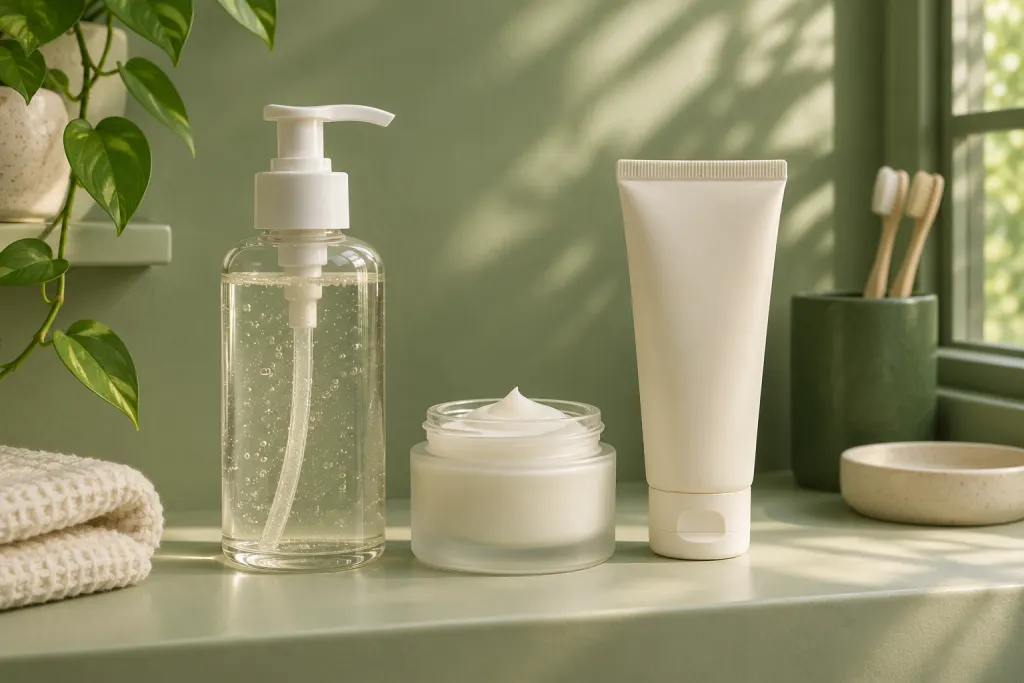
A simple oily-skin routine starts with gentle cleansing, a lightweight moisturiser and sunscreen in the morning, followed by cleansing and moisturising at night. Add acne treatment only when needed. Scrubbing harder or making your face feel completely dry can irritate it without solving the breakouts.
Start with three basics before buying a serum
For readers choosing skincare in Pakistan, a useful first shopping list is short: one cleanser, one moisturiser and one sunscreen you can wear consistently. You can spend more later if there is a specific problem to address. A long routine makes it harder to work out which product suits you.
The American Academy of Dermatology's oily-skin advice favours gentle cleansing and products labelled oil-free or non-comedogenic. These are useful starting points, rather than a guarantee that a particular formula will suit everyone.
Your morning oily-skin routine
- Cleanse gently. Use your fingertips and a mild face wash. Avoid rubbing with a scrub or rough cloth. The AAD advises washing up to twice daily and after sweating.
- Moisturise if your skin needs it. Choose a light lotion or gel with an acne-friendly label. Oily skin can still feel dry or irritated, especially when you use acne medication.
- Apply sunscreen before going outside. Look for SPF 30 or higher and broad-spectrum protection; choose water resistance if you will sweat. A matte finish describes how a product feels, not how much UV protection it provides.
Check those sunscreen claims on the actual pack. AAD sunscreen guidance explains why SPF, broad-spectrum protection and water resistance are separate things. Our sunblock guide covers application and reapplication in more detail.
Your evening routine
Remove makeup and cleanse gently before bed. Follow with moisturiser, particularly if your face feels tight. If you have a prescribed acne treatment, follow its instructions rather than adding several new acids or serums around it.
Moisturiser can help skin tolerate drying acne treatments. Look for oil-free or non-comedogenic products. Using moisturiser does not replace acne medicine, but it can make a treatment routine more comfortable.
Where do vitamin C and exfoliating serums fit?
A serum is optional. Decide what you want it to do before buying: is the concern active pimples, flat dark marks, or simply shine? These are different problems. Our vitamin C serum guide explains that ingredient, while our acne marks and scars guide helps distinguish colour changes from changes in skin texture.
If your current routine already stings or flakes, get advice before adding another treatment. Keep a simple note of what you started and when, so you can describe any reaction accurately.
Common mistakes with oily, acne-prone skin
| Habit | A more useful approach |
|---|---|
| Repeated washing whenever you see shine | Keep cleansing gentle; press blotting paper onto oily areas instead of rubbing. |
| Picking pimples | Keep your hands away and get help with persistent acne. |
| Changing acne products every few days | Follow one treatment plan long enough to assess it, unless it causes a reaction. |
| Sleeping in makeup | Remove it before bed. |
The AAD's acne care tips warn that picking increases the risk of dark spots and scarring, and that treatment can take weeks to months. A painful or scarring breakout deserves medical advice rather than another cosmetic purchase.
Choosing products without overspending
Compare the size of the pack, the ingredients and how the product fits your existing routine. Avoid buying a whole set because it promises instant clear skin. A product that feels uncomfortable is unlikely to become a daily habit.
APO-MAX Ultra Sunblock is one sunblock in our range. Check the current label and ingredients when comparing it with your needs; a high SPF number alone does not establish water resistance or suitability for every acne-prone person. This guide is not a clinical test of the product.
The product in this guide
Cash on delivery across Pakistan, with free delivery on orders over Rs 2,000.
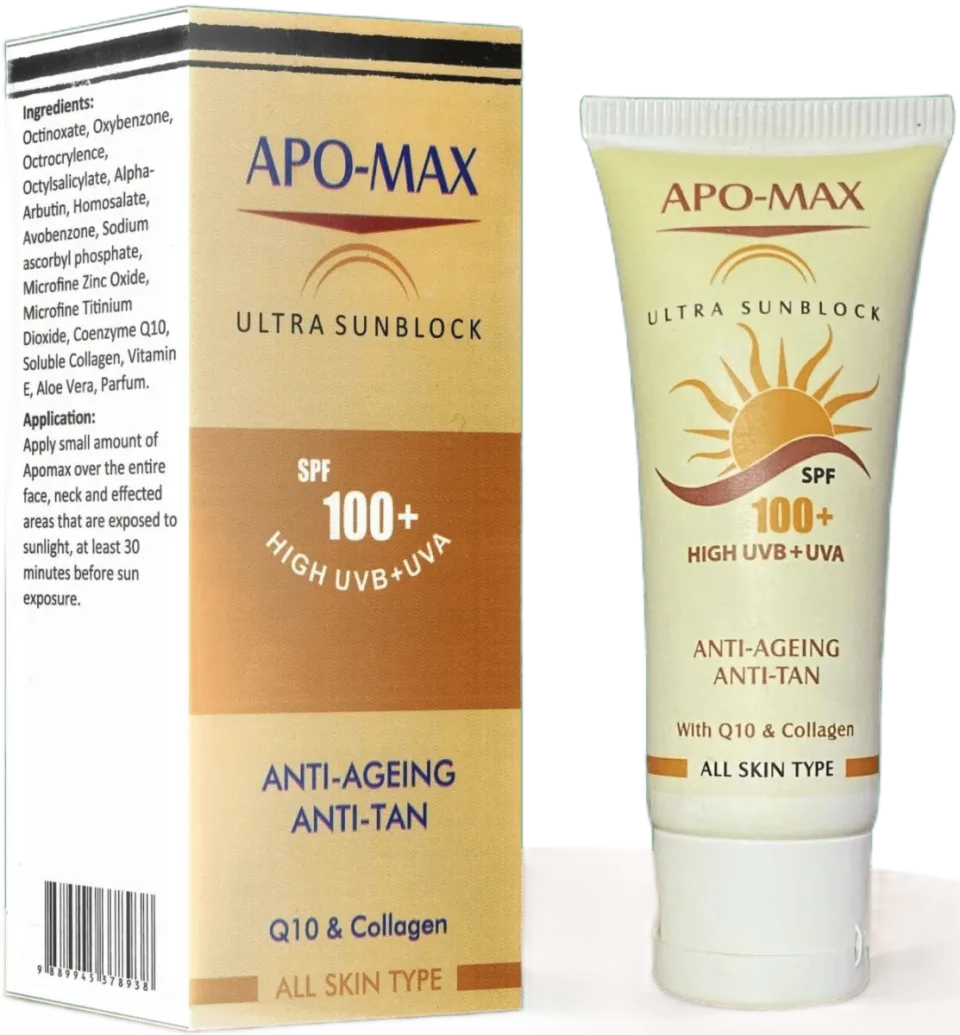
100+ SPF UV protection
APO-MAX Ultra Sunblock
Rs 995 (6)
Common questions
Does oily skin need moisturiser?
Yes, when it feels dry or irritated. An oil-free or non-comedogenic moisturiser can be useful, particularly alongside drying acne treatments.
How often should I wash an oily face?
AAD guidance recommends gentle washing up to twice daily and after sweating. Scrubbing and repeated harsh washing can irritate skin.
Is a serum necessary for oily skin?
No. Start with cleansing, moisturising and sun protection. Choose extra treatment for a specific concern rather than adding a serum automatically.
Which sunscreen should I choose for oily skin?
Look for broad-spectrum SPF 30 or higher, an acne-friendly formula, and water resistance when sweating. Check the pack rather than judging by the finish or SPF number alone.
More guides
-
 3 min read
Acne Marks vs Scars: What Fades and What Needs Treatment?
A flat dark mark after a pimple is different from a pit or raised scar. Understanding which you have helps you choose realistic care.
-
 3 min read
How to Choose a Multivitamin in Pakistan: An Adult Guide
The best choice depends on what you need, not the longest ingredient list. Learn how to compare adult multivitamins and avoid doubling up.
-
 3 min read
Biotin for Hair Fall: Does It Help, and Who Needs It?
Biotin is widely sold for hair, but evidence for extra biotin in people without a deficiency is limited. Start by understanding the cause of hair fall.