
Acne Marks vs Scars: What Fades and What Needs Treatment?
A flat dark mark after a pimple is different from a pit or raised scar. Understanding which you have helps you choose realistic care.
By Apotex Healthcare team Updated 3 min read

Flat dark spots after acne are usually post-inflammatory hyperpigmentation, while acne scars change the skin's texture, leaving pits or raised areas. Dark marks can gradually fade. Established scars often need a dermatologist's assessment; a brightening serum should not be expected to fill them.
Acne marks and scars: a quick comparison
| What you notice | What it may mean | A sensible next step |
|---|---|---|
| A flat brown or darker patch where a pimple was | A pigment mark, often called PIH | Manage ongoing acne and discuss gentle pigment care. |
| A dent, pit or uneven area | A depressed acne scar | Ask a dermatologist which options suit the scar type. |
| A firm raised area | A raised scar | Get it assessed before attempting treatment. |
This is a guide to vocabulary, not a diagnosis. The AAD's acne scar overview makes the distinction between flat colour changes and actual scarring. Both can occur on the same face.
Why dark marks can remain after a pimple
Inflammation can trigger extra pigment production. Skin irritation can do the same, so a product that burns is not necessarily helping. Treating ongoing acne matters: otherwise new breakouts can keep leaving new marks.
According to AAD guidance on dark spots, some shallow pigment marks take around six to twelve months to fade once the cause stops; deeper pigmentation can take longer. That is a general range, not a deadline for your skin.
What can help flat acne marks?
Begin with sun protection. For pigmentation, the AAD recommends a tinted sunscreen containing iron oxide, alongside broad-spectrum SPF 30 or higher. Iron oxide helps address visible light, which can contribute to dark spots. Check the ingredient list; a high SPF number alone does not tell you whether a sunscreen contains it.
The same guidance lists ingredients including azelaic acid and vitamin C as possible options for dark spots. This does not establish that every serum containing one of them will perform equally. Formulation, skin tolerance and the underlying cause matter. Read our vitamin C serum guide and sunblock guide before choosing.
What skincare cannot promise for textured scars
Scars are more than a colour change. In a consultation, a dermatologist considers the type and number of scars, your skin tone, your goals and your budget. The AAD's scar treatment information explains why plans are individual rather than one-size-fits-all.
Before agreeing to treatment, ask what improvement is realistic, how many visits may be needed, what recovery involves and what the total cost is. Do not buy a cream on the assumption that it can erase pits because the word "scar" appears in an advertisement.
Avoid making the problem worse
Do not pick or squeeze breakouts. Avoid constantly changing treatments or scrubbing inflamed areas. These habits can prolong irritation; AAD acne advice specifically warns about picking and the risk of scars and dark marks.
For a manageable starting routine, see our morning and evening oily-skin guide. If the main issue is pigmentation rather than acne, our guide to choosing pigmentation care covers questions to ask before buying.
Where Apotex products fit
Bio Clear Serum contains mandelic acid, while Reversa-C is our vitamin C serum. They are skincare options to compare against a specific concern, not proven treatments for every type of acne or scar. We do not have a product-specific clinical trial establishing that either removes acne scars.
Use the current label and seek advice if you already use acne medication. Avoid starting both serums together simply because they appear in this article. Painful recurring acne, developing pits or uncertainty about a mark are reasons to see a dermatologist.
Products in this guide
Cash on delivery across Pakistan, with free delivery on orders over Rs 2,000.
- Out of stock
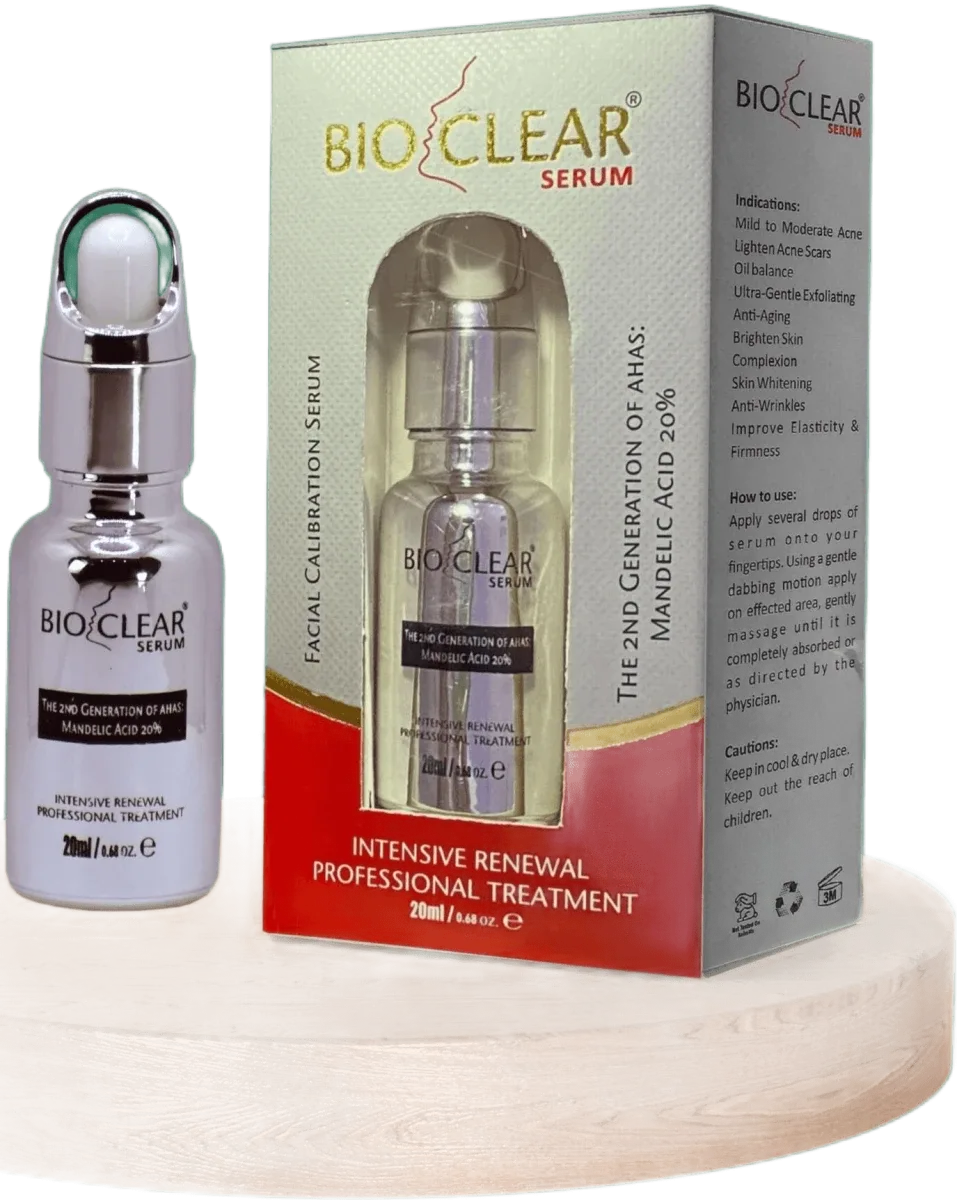
Bio Clear Serum Mandelic acid serum for clearer skin and fewer blemishes.
Rs 1,995 (1) 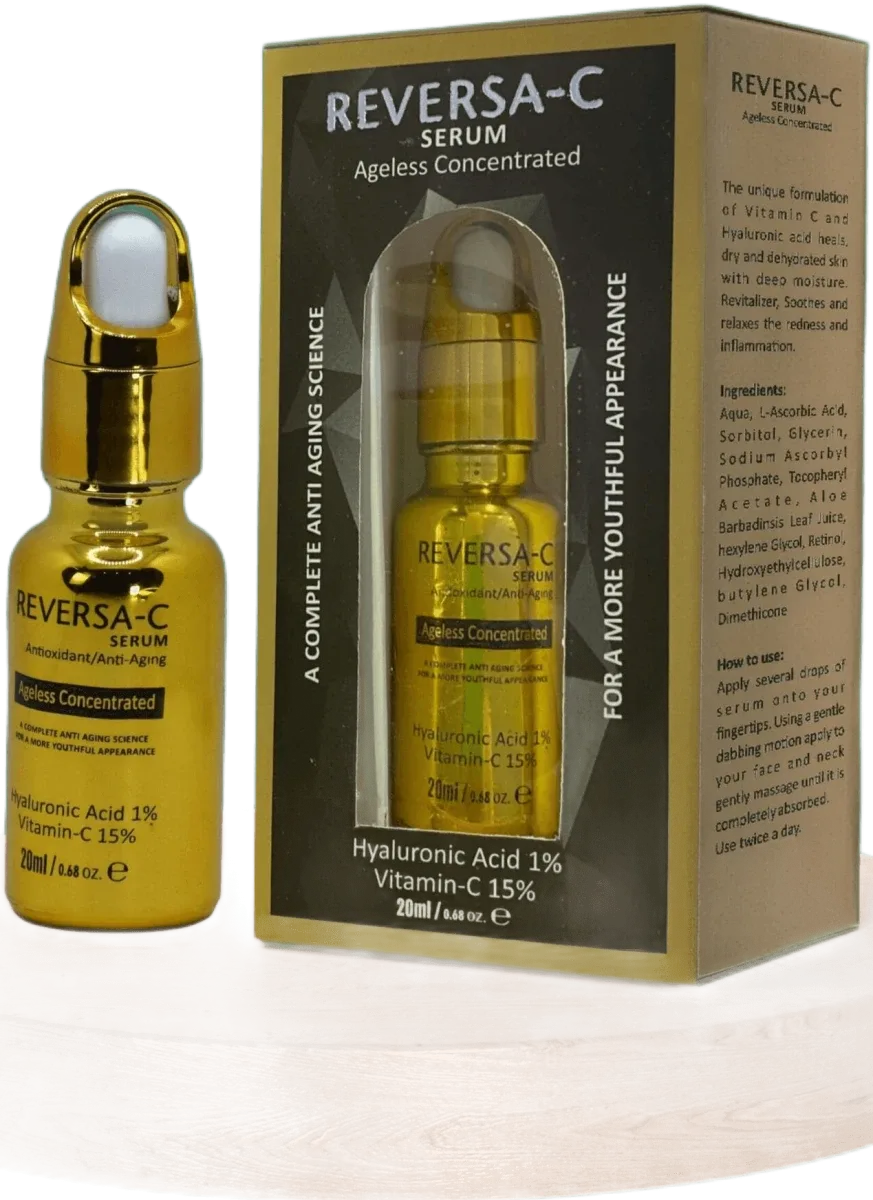
Reversa-C Serum Vitamin C and hyaluronic acid serum for brighter, smoother-looking skin.
Rs 2,295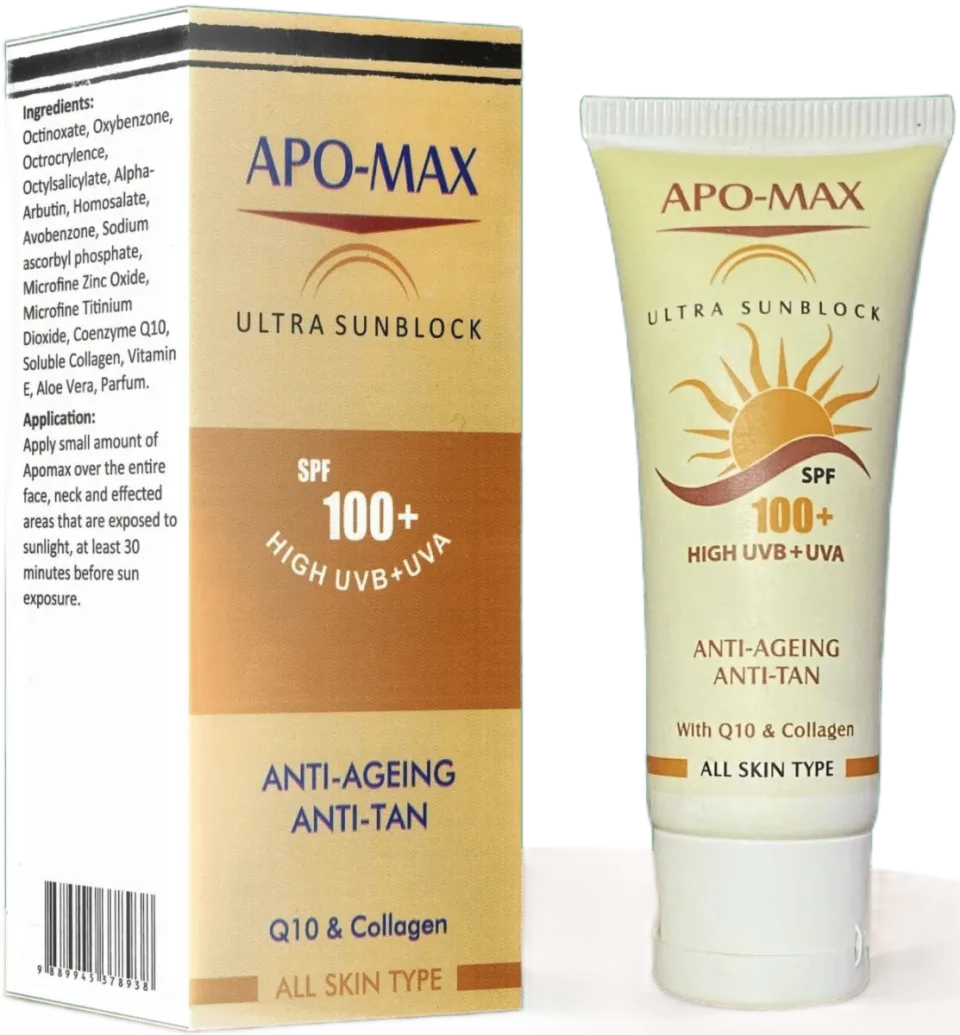
100+ SPF UV protection
APO-MAX Ultra Sunblock
Rs 995 (6)
Common questions
Are dark spots after pimples the same as acne scars?
Usually not. A flat dark patch is often post-inflammatory hyperpigmentation. A pit or raised area changes skin texture and may be a scar. A dermatologist can confirm.
How long do acne marks take to fade?
AAD guidance gives roughly six to twelve months for some shallow dark spots after the trigger stops. Deeper pigment can take longer, and ongoing acne may create new marks.
Can vitamin C remove pitted acne scars?
Do not expect a vitamin C serum to fill pits. It may be an option for pigment marks, but textured scars need a different assessment.
Should I treat active acne or marks first?
Managing active acne is important to prevent further marks and scars. A dermatologist can help combine acne treatment with suitable pigment care.
More guides
-
 3 min read
Oily Skin Care Routine in Pakistan: Simple Morning and Night Steps
An oily-skin routine does not need ten products. Start with the basics, choose comfortable textures and introduce extra treatments carefully.
-
 3 min read
How to Choose a Multivitamin in Pakistan: An Adult Guide
The best choice depends on what you need, not the longest ingredient list. Learn how to compare adult multivitamins and avoid doubling up.
-
 3 min read
Biotin for Hair Fall: Does It Help, and Who Needs It?
Biotin is widely sold for hair, but evidence for extra biotin in people without a deficiency is limited. Start by understanding the cause of hair fall.