
Glutathione for Skin: Benefits, Side Effects and What the Research Really Shows
Glutathione is the antioxidant behind most "whitening" tablets in Pakistan. Here is what the studies actually show, how long it takes, the side effects, why injections are a bad idea, and how to choose capsules safely.
By Apotex Healthcare team Updated 5 min read
Glutathione is an antioxidant your body makes from three amino acids. Taken as a capsule, it may help skin look a little brighter and more even over a few months, but the effect in studies has been modest, and it does not change the skin colour you were born with. Daily sunblock matters just as much. Glutathione injections and drips for "whitening" are not approved for that use and have caused serious harm.
What is glutathione?
Glutathione is a small molecule made of three amino acids: cysteine, glutamic acid and glycine. Almost every cell in your body makes it, and it is one of the body's main antioxidants. It helps neutralise the reactive molecules, often called free radicals, that come from normal metabolism, sun exposure and pollution.
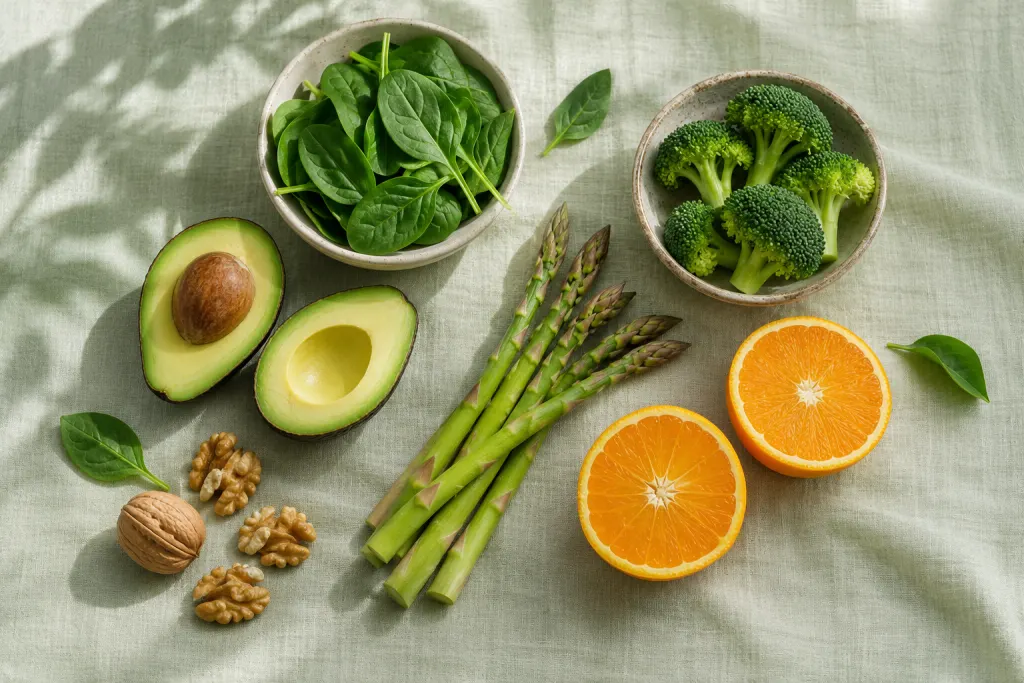
Your liver makes most of it, and fruit and vegetables such as avocado, spinach, broccoli and asparagus contain some. Supplements are sold as "L-glutathione" or "reduced glutathione".
How glutathione may affect skin colour
Skin colour comes from melanin. Laboratory research suggests glutathione can influence melanin in two ways:
- it slows tyrosinase, the enzyme that starts melanin production, and
- it shifts production from dark brown-black melanin towards a lighter, reddish-yellow type.
That is why it is sold for brightening and dark spots. The real question is whether a capsule delivers enough to the skin to make a visible difference, and the research on that is still small.
What the research shows
Only a few small clinical trials have tested glutathione by mouth for skin:
| Study | What people took | What happened |
|---|---|---|
| Thailand, 2012: 60 medical students | 500 mg a day (two doses of 250 mg) for 4 weeks, or a dummy capsule | Skin melanin readings fell at all six measured spots. The authors described a lightening effect in a small number of people and called for longer studies. |
| Thailand, 2017: 60 women | 250 mg a day for 12 weeks, or a dummy capsule | Melanin readings were slightly lower than with the dummy, but the difference was not statistically significant. Some wrinkle measurements improved. Funded by a glutathione maker. |
| Review by dermatologists, 2018 | Looked at all the oral, cream and injection studies | Found "little convincing evidence" for glutathione as a treatment for pigmentation and called for larger, longer trials. |
A separate six-month trial in the United States, also funded by a manufacturer, found that 250 mg and 1,000 mg a day raised glutathione levels in the blood and body cells, which shows that at least some of a capsule is absorbed.
In plain words: glutathione capsules may help some people's skin look a little brighter and more even. Results are gradual, they vary from person to person, and nobody has shown that they last after you stop.
Glutathione injections and drips: why we do not recommend them
High-dose glutathione injections and IV drips are offered at many salons and clinics for "whitening". The Philippine Food and Drug Administration has repeatedly warned that injectable glutathione is not approved for skin lightening, that there are no guidelines for its dose or duration, and that reported reactions include severe skin reactions (Stevens-Johnson syndrome and toxic epidermal necrolysis) and thyroid and kidney problems.
In the one small trial of IV glutathione that dermatologists reviewed, some patients developed abnormal liver tests and one had a severe allergic reaction. Unsterile needles and fake vials add a risk of infection. If you want to try glutathione, capsules by mouth are the cautious route.
How much glutathione to take, and for how long
- Doses studied: 250–500 mg a day for skin, for 4 to 12 weeks, and up to 1,000 mg a day for six months in the absorption trial.
- Follow your label. Glutone, for example, suggests 1 capsule (500 mg) twice a day for the first 6–8 weeks, then 1 capsule a day with a meal, or as your doctor directs.
- Give it time. Skin renews itself over weeks, so judge the results after two to three months, not days.
- Take it with food if it upsets your stomach.
Side effects and who should avoid it
- Usually well tolerated. No serious side effects were reported in the capsule trials. Some people get mild stomach upset.
- Pregnancy and breastfeeding. There is not enough safety research, so avoid it unless your doctor advises it.
- Asthma. Inhaled (nebulised) glutathione has triggered wheezing in some people with asthma. This has not been shown with capsules, but tell your doctor if you have asthma.
- Medical treatment. If you are having cancer treatment or take regular medicines, ask your doctor first, because antioxidants can interfere with some treatments.
- Long-term use. Safety over many years has not been studied.
Glutathione works best with sunblock
Sun is the biggest cause of tanning and dark spots in Pakistan. A few days of unprotected sun can undo weeks of brightening, so wear a broad-spectrum sunblock every morning, including on cloudy days and indoors near windows. A vitamin C serum under your sunblock adds antioxidant protection on the skin itself.
Our guides to choosing a sunblock, vitamin C serum and safe skin lightening creams cover the rest of the routine.
How to choose glutathione capsules in Pakistan
- The form and amount are printed: "L-glutathione" or "reduced glutathione", in mg per capsule.
- Sensible extras. Vitamin C is a common partner because it is also an antioxidant. Avoid blends that do not list their amounts.
- A traceable maker: company name and address, batch number and expiry date, in a sealed pack.
- Honest claims. Be wary of products that promise "fair in 7 days" or permanent whitening. Real results are gradual and modest.
- No injections. Skip anyone selling glutathione injections or drips for whitening.
Where Glutone fits. Glutone from Apotex Healthcare has 500 mg of L-glutathione per capsule, with 150 mg of vitamin C and 150 mg of maritime pine bark extract, 30 capsules a pack. Pair it with a daily sunblock such as APO-MAX for the best chance of a brighter, more even tone.
Products in this guide
Cash on delivery across Pakistan, with free delivery on orders over Rs 2,000.
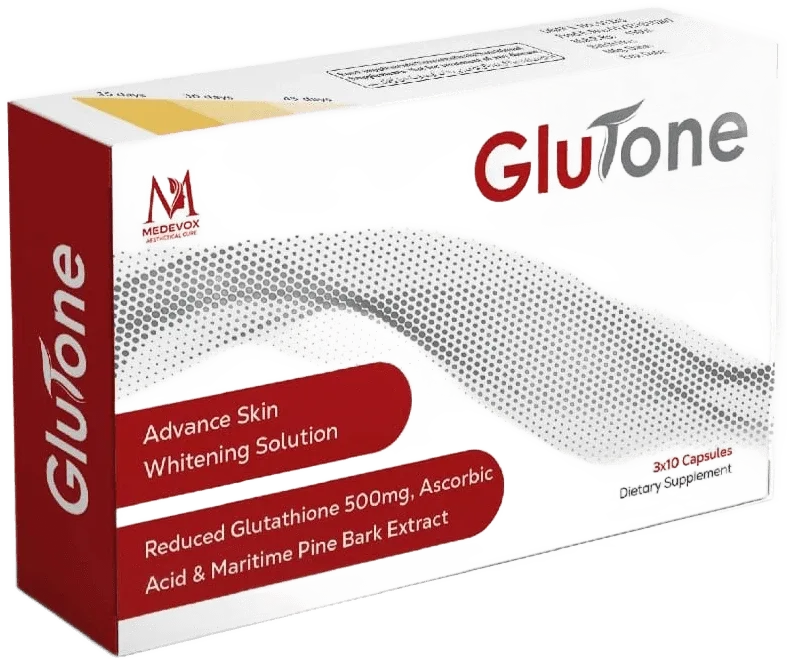
500 mg L-Glutathione
Glutone Glutathione Capsules 500mg, 30 Capsules
Rs 4,500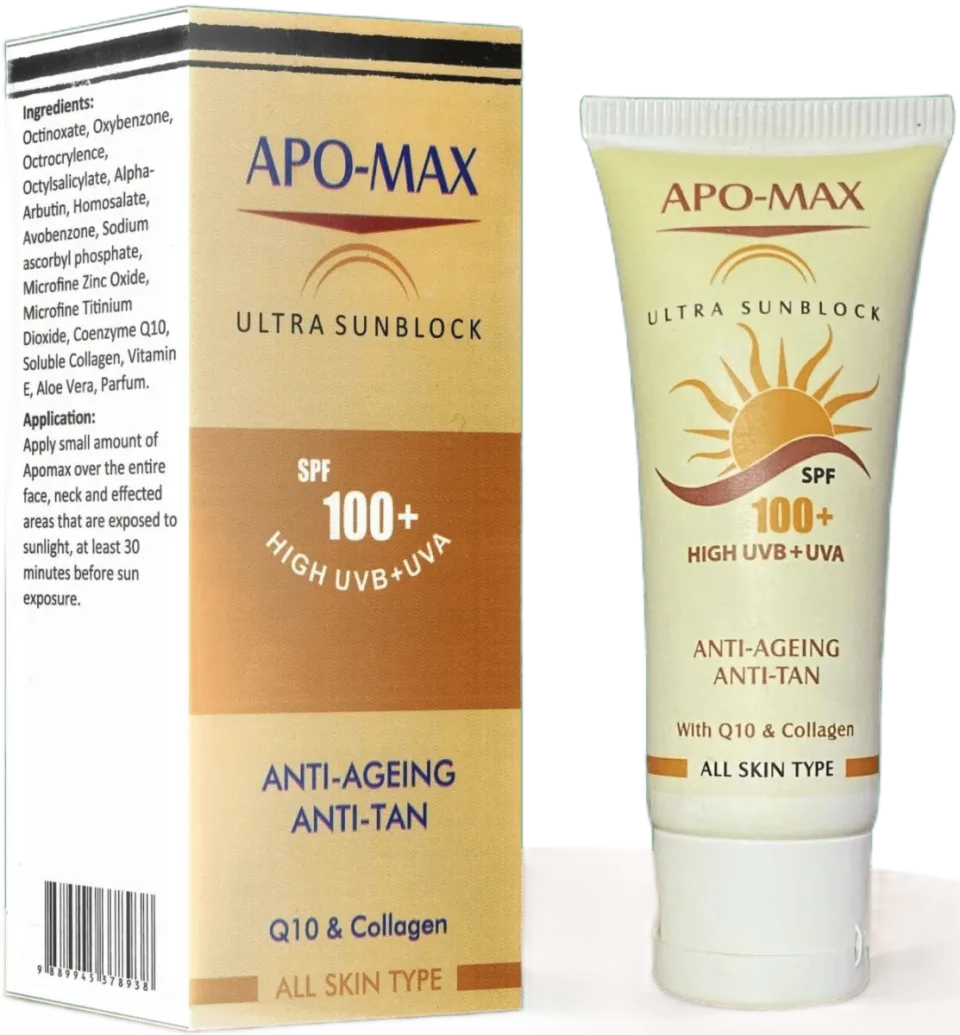
100+ SPF UV protection
APO-MAX Ultra Sunblock
Rs 995 (6)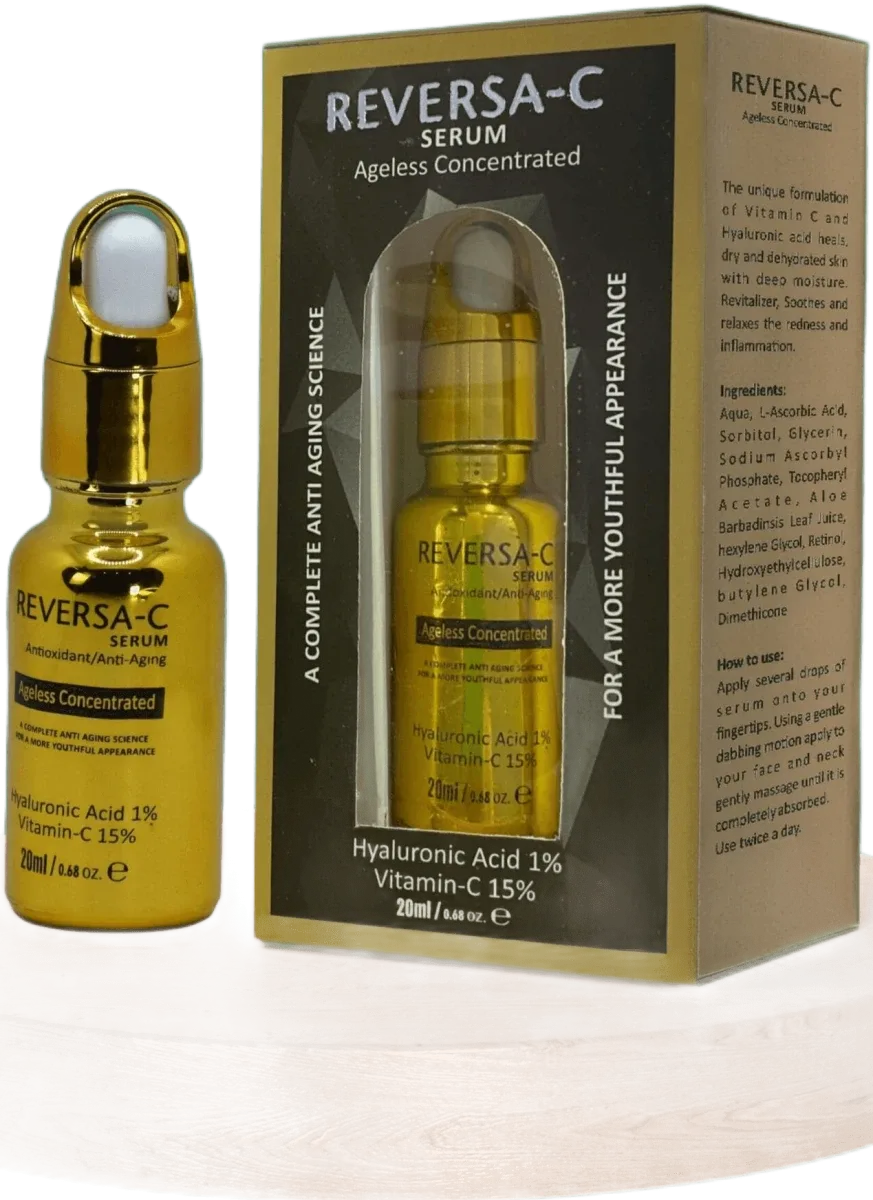
Reversa-C Serum Vitamin C and hyaluronic acid serum for brighter, smoother-looking skin.
Rs 2,295
Common questions
Does glutathione really whiten skin?
It may make skin look a little brighter and more even over two to three months, but the studies were small and the results modest. It does not change your natural skin colour, and sun exposure without protection quickly undoes the effect.
How long does glutathione take to show results?
Trials measured changes after 4 to 12 weeks. Take it regularly for two to three months, with daily sunblock, before judging.
Is it safe to take glutathione every day?
Capsules of 250–1,000 mg a day were well tolerated in studies lasting up to six months. Avoid it in pregnancy and breastfeeding, and check with your doctor if you take regular medicines, are having cancer treatment or have asthma.
Are glutathione injections safe?
They are not approved for skin lightening, there are no agreed doses, and regulators have linked them to serious skin reactions and thyroid, kidney and liver problems. We do not recommend them.
What is the best time to take glutathione?
Follow your pack. Many people take it with breakfast or another meal, which also avoids stomach upset.
Can I take glutathione with vitamin C?
Yes. They are often taken together, and Glutone already contains 150 mg of vitamin C in each capsule.
More guides
-
 6 min read
Vitamin D Deficiency in Pakistan: Symptoms, Causes, Tests and Treatment
Pakistan's National Nutrition Survey found vitamin D deficiency in nearly 8 out of 10 women and 6 out of 10 young children. Here are the symptoms, why it is so common in such a sunny country, what your test result means, and how it is treated safely.
-
 4 min read
Vitamin C Serum: Benefits, How to Use It and How to Choose a Good One
Vitamin C serum is one of the best-studied ingredients for brighter, more even skin. Here is what it can and cannot do, how to use it morning and night, and how to choose one that has not already gone off.
-
 4 min read
Best Sunblock for Pakistan's Sun: SPF, PA and How to Use It Properly
In Pakistan's sun, a good sunblock does more against tanning, dark spots and early wrinkles than any cream. Here is what SPF and PA mean, how to choose one for your skin, and how much to apply.